
Planning your bar service can feel simple at first, until the quotes start coming in and every package looks a little different. For most couples in the US, wedding bartender cost depends on more than just an hourly rate. Guest count, drink style, event duration, setup needs, insurance, and location all play a role in the final number.
Quick takeaway: many couples can expect to pay roughly $50 to $150+ per bartender per hour, while full-service wedding bartending packages often range much higher depending on staffing, mobile bars, mixers, glassware rentals, and setup. A beer and wine bar will usually cost less than a full bar with signature cocktails, champagne toasts, and custom cocktail creations.
The key is not just finding the lowest price. It is finding a bartending team that can keep drinks moving, support your event timeline, and make the wedding reception feel smooth and well-managed.
How Much Wedding Bartender Cost Usually Runs
The short answer is that there is no single national flat rate. Some bartending companies charge by the hour, while others use flat-rate packages or a price per person model.
Here is a realistic way to think about pricing:
- Basic hourly bartender rate: around $50 to $150+ per bartender
- Beer and wine service: usually the most budget-friendly option
- Full bar service: higher cost because it requires more mixers, station supplies, and bar utensils
- Signature bar or custom cocktail menu: often increases labor and prep time
- Mobile bar hire or portable bars: may add delivery, setup, and travel fees
- All-inclusive packages: can include bartenders, mixers, ice storage, drink dispensers, glassware rentals, and setup and teardown
For a smaller wedding event with simple beer pours and wine service, costs stay more manageable. For a larger guest list with multiple bars, craft beers, signature wedding cocktails, and a longer cocktail hour, the budget rises quickly.
What Affects Wedding Bartender Cost the Most
Guest Count and Staffing Plan
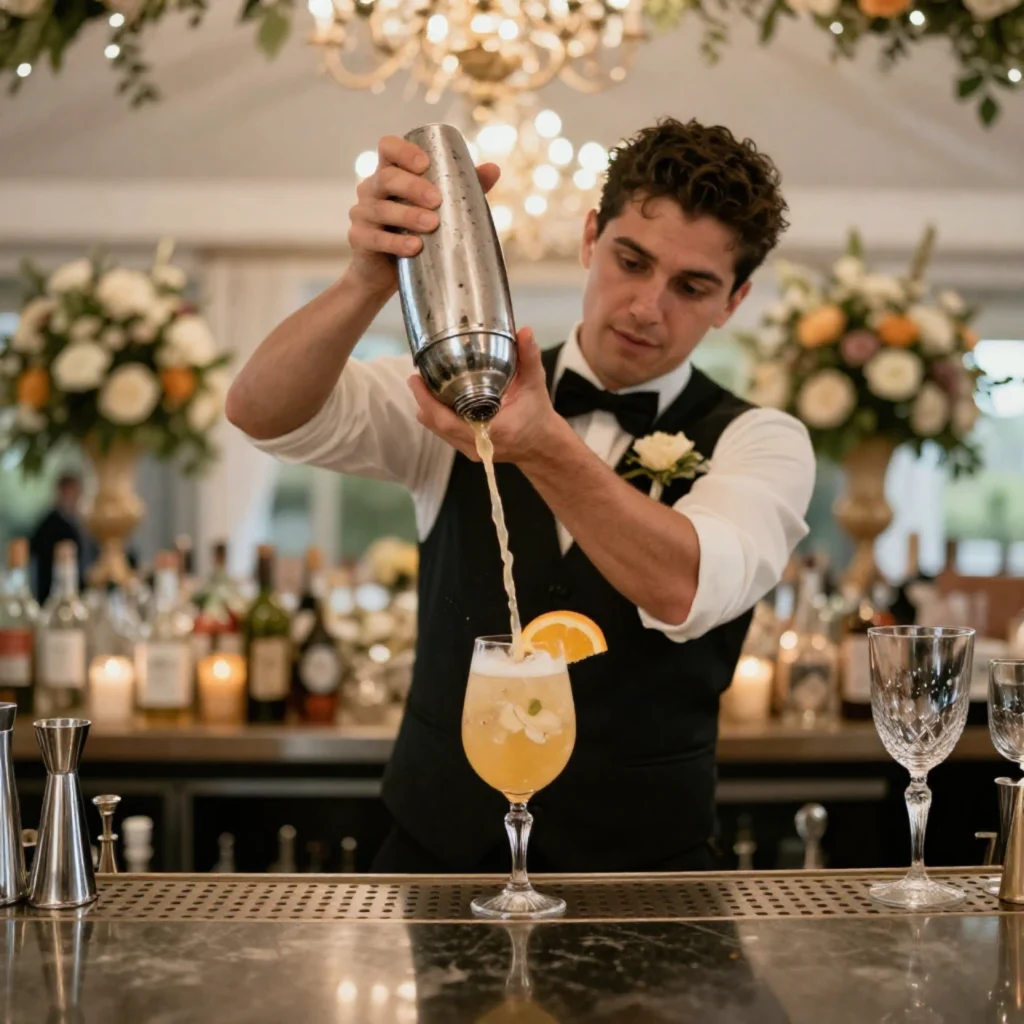
Guest count is one of the biggest cost drivers. More guests usually means more bartenders, more bar backs, and sometimes a bar manager to keep service organized.
A common rule of thumb is:
- One bartender for smaller groups with lighter drink demand
- Two or more bartenders for medium to large receptions
- Multi-bartender teams for large weddings, fast-paced cocktail service, or multiple bar stations
If your guest list is 150 people and you want short lines during cocktail hour, under-staffing can hurt the guest experience. Paying for the right staffing plan often matters more than chasing the cheapest quote.
Bar Style and Drink Menu
The kind of bar you offer changes labor, prep, and service speed.
A few examples:
- Beer & Wine only: easier to serve, lower complexity
- Open bar: more volume, more product variety, more service demand
- Full bar: requires more mixers, garnishes, cocktail tools, and setup
- Signature drinks: adds personality, but also prep time and ingredients
- Champagne toasts: may require additional coordination with the catering team or venue staff
A simple beverage menu keeps costs lower. A full cocktail menu with several signature cocktails looks great, but it can increase bartender costs and setup needs.
Event Duration, Setup Time, and Cleanup
Couples often focus on service hours and forget everything around them. Bartending services may also account for:
- setup time before guests arrive
- cocktail hour service
- reception service
- setup and cleanup
- setup and teardown
- trash removal
- restocking and station breakdown
A five-hour event may involve seven or eight paid labor hours once preparation and cleanup are included. That is normal, especially for wedding packages with a full bar setup.
Location, Travel Fee, and Service Radius
Where your wedding takes place matters. In major metros, destination areas, or venues outside a company’s normal service radius, you may see:
- travel fee
- travel fees for multiple staff members
- higher minimums
- added delivery charges for portable bars or mobile bars
For example, pricing can vary a lot between urban areas and smaller markets, or between local weddings and venues in places like Long Island, Fire Island, Austin, or Raleigh NC.
Licensing, Liability Insurance, and Professionalism
This is where cheap quotes can become risky.
A professional bartending company may carry:
- liability insurance
- liquor liability insurance
- public liability insurance
- licensed bartender coverage where required
- experience coordinating with venues and alcohol caterer rules
Laws vary by state, county, and venue. Some events require permit awareness, liquor licenses, or temporary approvals. Even when the client provides the alcohol, professional bar services still need to operate safely and within venue rules.
Insurance and professionalism add real value. They protect the host, reduce stress on the big day, and help avoid service issues that can affect the whole event.
Typical Pricing Models Couples Will See
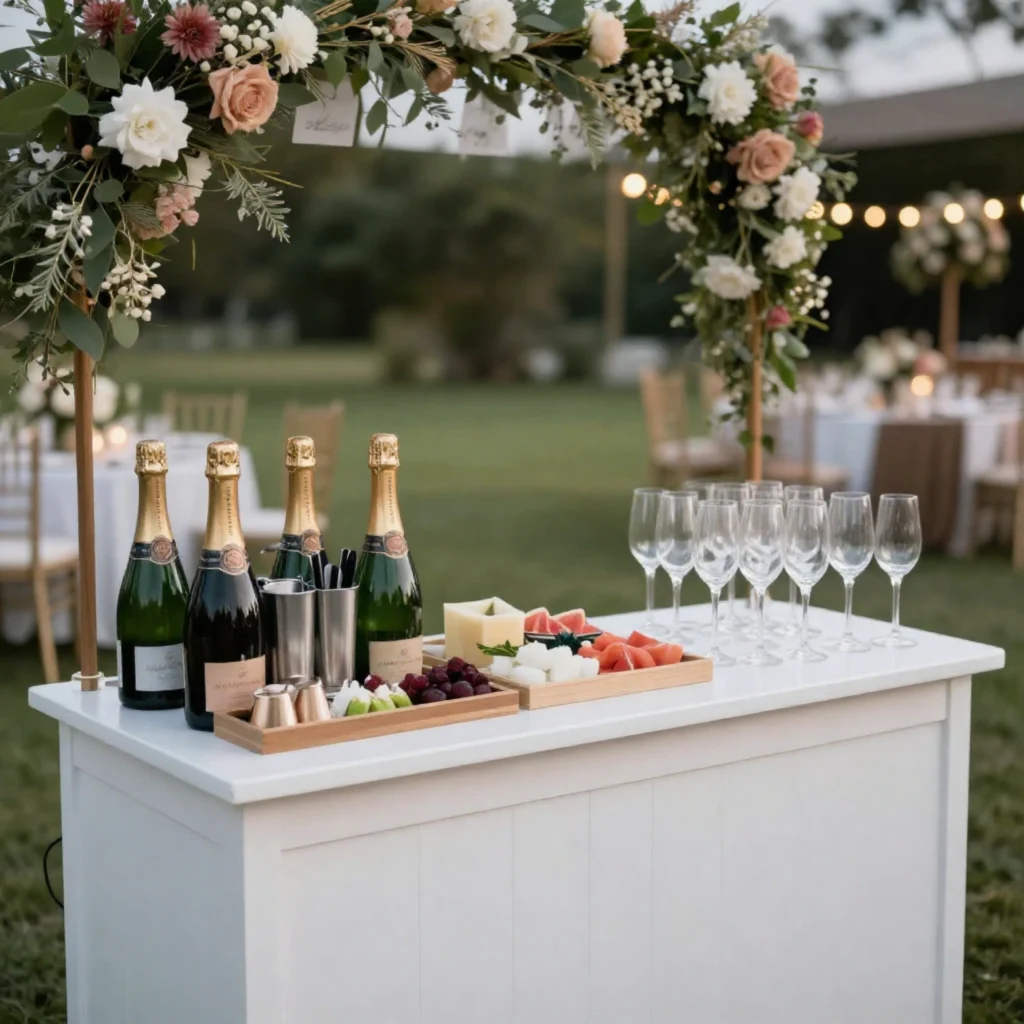
When comparing vendors, you will usually run into three common models.
1. Hourly Pricing
This is common for straightforward bar service. You pay based on the number of bartenders and the number of hours worked.
Best for:
- couples who already know their event timeline
- simpler weddings
- DIY alcohol planning with hired labor only
2. Flat-Rate Packages
These packages may bundle labor, mixers, garnishes, cups, napkins, water dispensers, and bar tools into one number.
Best for:
- couples who want easier planning
- hosts comparing apples-to-apples less often
- events that need setup efficiency and fewer moving parts
3. Per-Person or Package-Based Pricing
Some companies price according to guest count, drink style, and service level. That can work well for all-inclusive packages, especially if you want signature drink consultation or a more polished hospitality setup.
Best for:
- couples who want a clearer cost estimation
- planners building a more complete bar budget
- weddings with custom beverage catering needs
What Is Usually Included in Bartending Services
Not every quote includes the same items, so always check the details. A lower price may only cover labor, while a higher package may include far more operational support.
Common inclusions are:
- professional wedding bartenders
- bar setup and cleanup
- bar utensils and pro tools
- mixers and cocktail garnishes
- cups, napkins, straws, and station supplies
- ice handling or ice storage guidance
- drink dispensers or beverage station items
- signature drink consultation
- full bar setup or beer and wine setup
- coordination with venue or professional catering teams
Possible add-ons include:
- portable bars
- glassware rentals
- bar backs or support staff
- custom cocktail menu planning
- champagne toasts service
- trash removal
- extended hours
This is why one quote can seem dramatically cheaper than another. The scope may be totally different.
When Paying More Is Actually Worth It
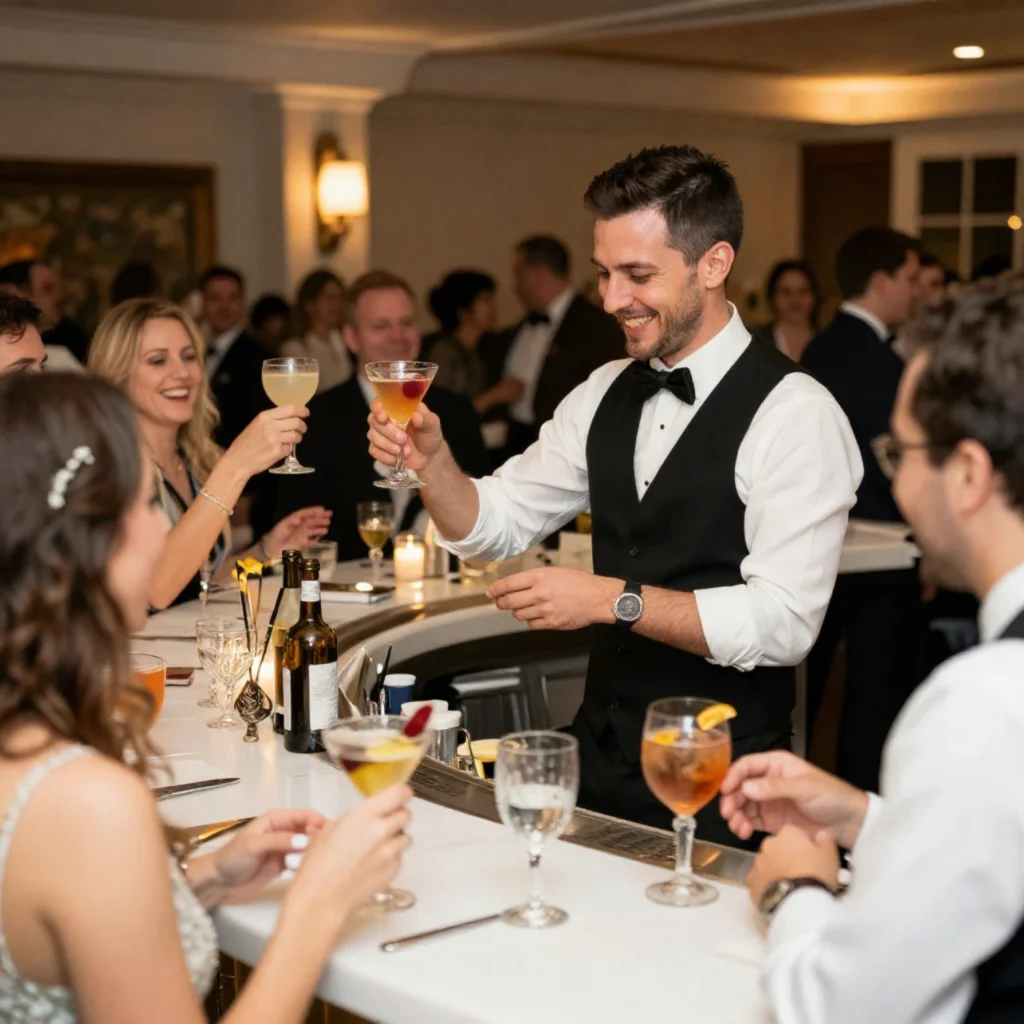
Sometimes the lowest-cost option ends up costing more in stress, delays, and guest frustration.
Paying more can be worth it when:
- your guest list is large
- your wedding reception has a tight event timeline
- you want signature cocktails
- your venue has strict coordination rules
- you need an insured, experienced mobile bartending team
- you want the bar to look polished and move quickly
Professional bartending is not only about pouring drinks. It is about pace, hospitality, responsible service, setup efficiency, and helping the night feel organized. Guests remember long lines and messy bar areas. They also remember when service feels seamless.
How to Budget Smartly Without Hurting the Guest Experience
You do not have to overspend to get good service. A few smart choices can protect your bar budget without making the event feel limited.
Keep the menu focused
A shorter drink menu is easier and faster to execute. Instead of a full bar with every possible option, consider:
- beer and wine
- one or two signature drinks
- a curated cocktail menu
- champagne toasts only if truly important
Match staffing to demand
Do not under-book just to save money. Saving a little on labor can create long lines during cocktail hour and slow the flow of the entire reception.
Ask what is included
Before comparing rates, ask whether the quote covers:
- setup and teardown
- mixers
- garnishes
- cups or glassware rentals
- travel fee
- cleanup
- insurance
Use an alcohol calculator
If the couple is supplying alcohol, an alcohol calculator can help estimate how much beer, wine, and spirits to buy based on guest count and event duration. That helps avoid overspending while still keeping the bar fully stocked.
Questions to Ask Before Hiring Wedding Bartenders
Before booking, ask these questions:
- How many bartenders do you recommend for my guest count?
- Does your quote include setup time and cleanup?
- Are you insured, including liquor liability insurance?
- Do you provide mobile bars, portable bars, or bar equipment?
- Can you help with a signature bar or signature drinks?
- Is there a travel fee for my venue?
- Do you offer flat-rate packages or hourly pricing?
- What supplies are included, and what do I need to provide?
- Have you worked with wedding venues like mine before?
- How do you handle timing during cocktail hour and dinner transitions?
The answers will tell you a lot about professionalism and private-party experience.
Final Thoughts
The best way to think about wedding bartender cost is as part labor cost, part logistics, and part guest experience investment. The final price depends on your guest list, drink menu, staffing plan, location, and how much support you want before, during, and after the reception.
For couples comparing options, the smartest move is to look beyond the base rate and focus on value: reliable staffing, smooth service, proper insurance, clear inclusions, and a team that understands how weddings actually flow. For hosts who want a more polished and less stressful bar experience, working with an experienced bartending service is often well worth considering.
FAQ
No. It can include labor, setup time, cleanup, bar tools, mixers, travel fees, portable bars, insurance, and staffing support.
That depends on guest count, bar style, and service speed. A larger wedding with an open bar or signature cocktails often needs more than one bartender.
Usually, no. Most weddings are hosted events, so a tip jar may feel out of place unless the couple specifically wants one. Many couples prefer to tip bartenders privately instead.
Yes. Beer and wine service is usually simpler, faster, and less labor-intensive than a full bar with cocktails and specialty drinks.
Sometimes yes. Catering bartenders may be available, but dedicated wedding bartending services can offer stronger bar flow, specialized setup, and better beverage-focused service.