For many couples, bar planning starts as a simple line item and quickly turns into a bigger decision than expected. The drinks themselves matter, of course, but so do timing, staffing, venue policies, guest flow, and how the whole reception feels once people begin lining up at Cocktail Hour. Choosing the right bar service for wedding celebrations is not just about alcohol. It is about hospitality, convenience, and making sure your guests are well taken care of throughout the night.
bar service for a wedding usually refers to the structure, staffing, and setup used to serve drinks during the event. The best option depends on your guest count, venue rules, wedding budget, drink preferences, and the kind of experience you want to create. For most couples, a professionally managed bar is the easiest way to keep service smooth, organized, and guest-friendly.
A good bar plan supports the event. A bad one creates lines, confusion, and unnecessary stress on the big day.
What Bar Service for Wedding Really Means
At its core, bar service for wedding events covers how beverages are served, who serves them, what is included, and how the setup works within the venue.
That may include:
- professional bartenders
- mobile bars or portable bar stations
- beer and wine service
- open bar or hosted bar packages
- signature drinks and custom cocktail menu planning
- glassware rentals
- water dispensers
- ice storage
- setup and teardown
- trash removal
- inventory management
Some couples assume bar service means only pouring drinks. In reality, experienced wedding bartenders often manage much more behind the scenes, including keeping the bar stocked, maintaining pace during rushes, coordinating with the wedding planner or day-of coordinator, and helping the reception stay on schedule.
Common Types of Wedding Bar Service
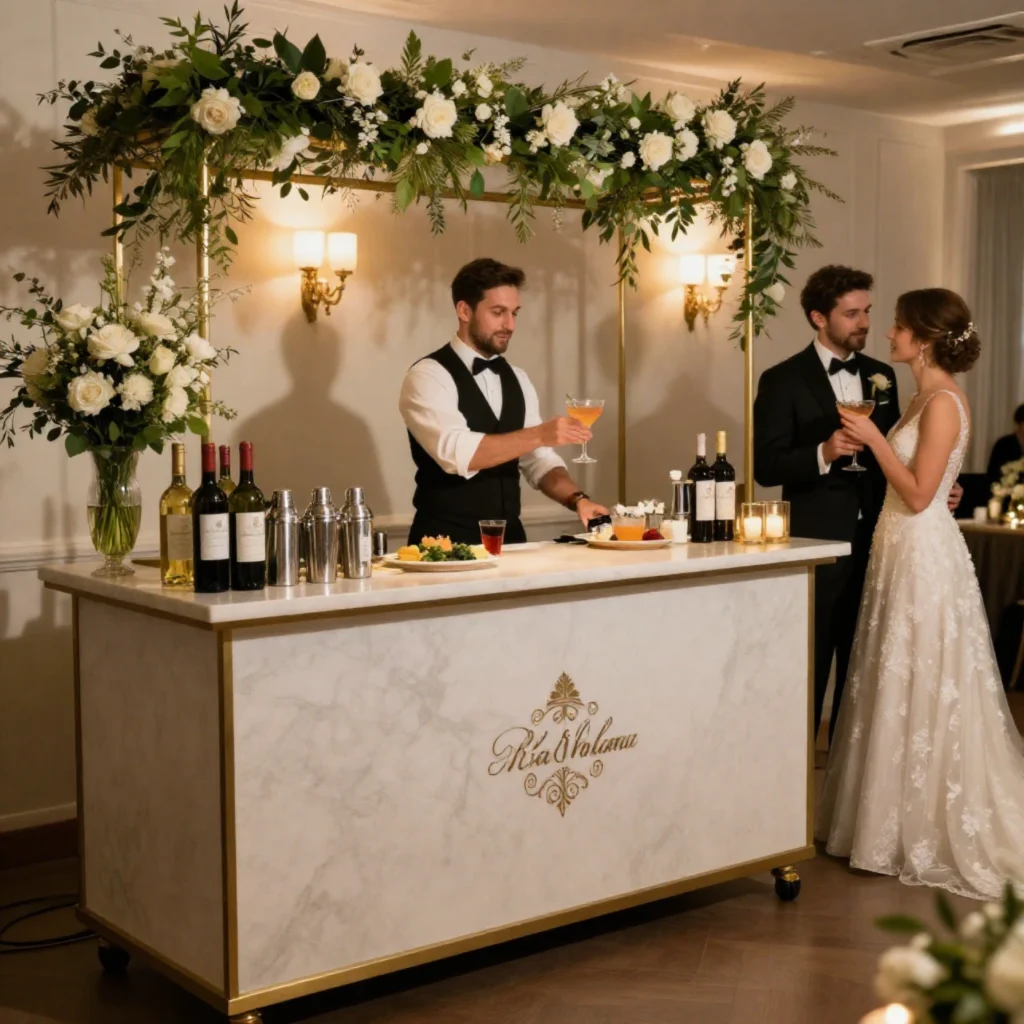
The right bar model depends on your priorities. Cost matters, but so do guest expectations, venue logistics, and the tone of the celebration.
Open Bar
An open bar means the couple or host covers the cost of drinks for guests. This is one of the most popular formats for US weddings because it feels generous and easy for guests to navigate.
Best for:
- formal receptions
- large guest lists
- couples who want a seamless guest experience
- weddings with a broader beverage menu
Open bar packages may include:
- beer and wine
- full bar service
- specialty cocktails
- champagne toasts
- non-alcoholic beverages
This option tends to cost more, but it also creates the least friction during service.
Limited Bar
A Limited Bar is a middle-ground option. Instead of offering every possible drink, the couple chooses a smaller Beverage Selection.
That might include:
- beer and wine only
- one or two Signature Cocktails
- a few specialty drinks
- a hosted bar during Cocktail Hour only
This approach works well when couples want to manage the bar budget without making the service feel stripped down. A focused drink menu can still feel thoughtful and elevated, especially with Personalized Drink Menus or signature wedding cocktails.
Cash Bar and Non-Hosted Bar
A Cash Bar, sometimes called a non-hosted bar, means guests pay for their own drinks. This is less common for weddings, but it does appear in some settings, especially larger events or celebrations with more flexible expectations.
It can work when:
- the budget is tight
- the guest list is very large
- the couple wants to offer basic hosted options but leave premium drinks to guests
Even then, presentation matters. Couples often soften this model with Drink Tickets, a hosted bar for the first hour, or free beer and wine with cocktails available for purchase.
Dry Bar
A Dry Wedding or dry bar includes no alcohol at all. That does not mean the bar has to feel boring. In fact, well-planned non-alcoholic options can still create a polished, festive atmosphere.
A dry bar can include:
- mocktails
- sparkling waters
- specialty coffee
- lemonade or tea stations
- curated non-alcoholic beverage menu options
This model can work beautifully when it reflects the couple’s values, family preferences, or cultural traditions.
How to Choose the Right Bar Service for Wedding Plans
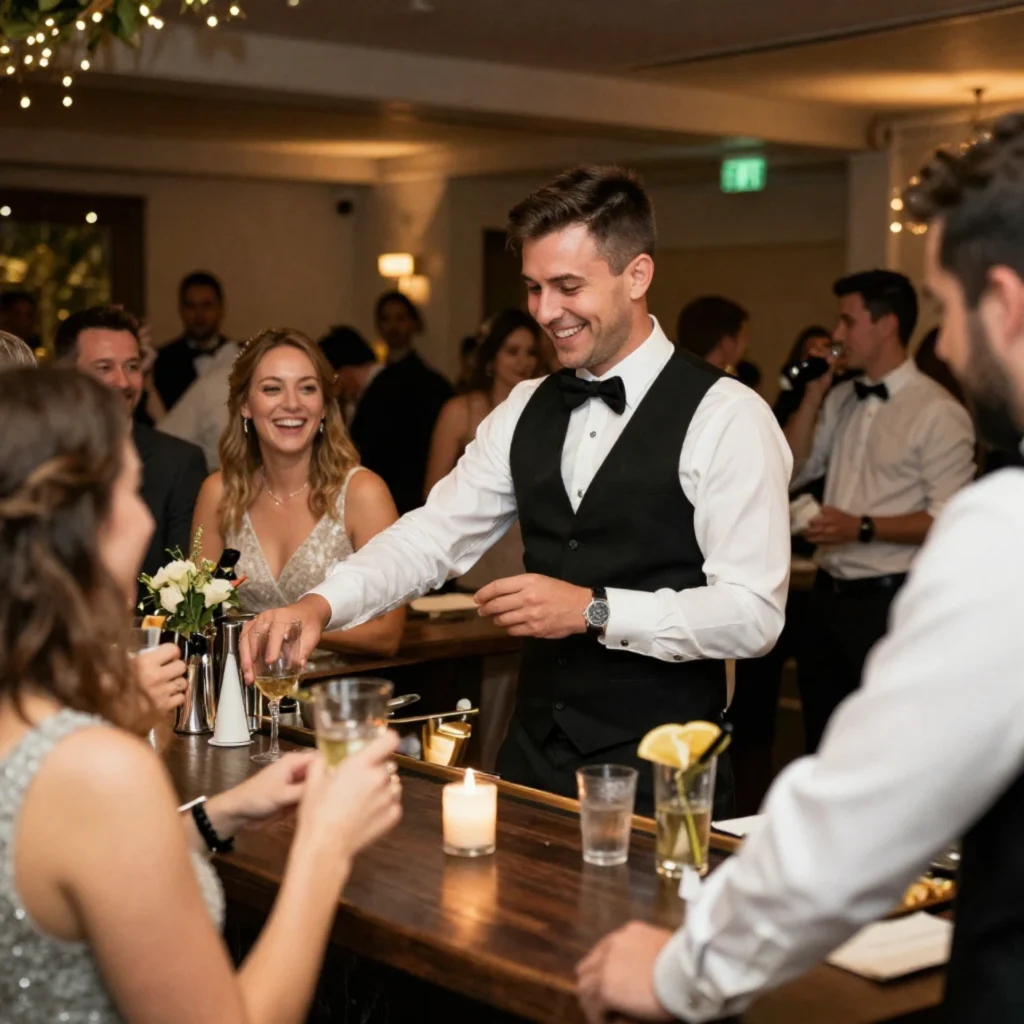
There is no universal best option. The right choice is the one that fits your crowd, your venue, and your priorities.
Start With Guest Count and Reception Style
Guest count shapes everything from bartender costs to bar layout. A small dinner reception may need one bartender and a compact setup. A 200-person celebration may need multiple bar stations, mobile bars, or additional catering bartenders to prevent long waits.
Ask:
- How many guests are attending?
- Will drinks be served only during Cocktail Hour or all night?
- Is the reception formal, casual, outdoor, or black-tie?
- Will guests expect a full bar, or is beer and wine enough?
The more accurately you answer these questions, the easier it becomes to compare bar packages.
Match the Drink Menu to the Event
The drink menu affects speed, complexity, and cost. A full bar with craft beers, specialty cocktails, and a champagne tower requires more planning than a simple hosted beer and wine setup.
A smart menu often includes:
- 2 signature drinks
- beer and wine
- a few non-alcoholic beverages
- water service
- optional champagne toasts
That is often enough to feel generous without turning the bar into an overly complicated operation. When the menu is too large, service slows down and inventory management becomes harder.
Review Venue Rules and Logistics
Before booking anything, check Wedding Venue Policies. Some venues have strict rules about:
- approved bar providers
- liability insurance
- license fees
- setup and teardown windows
- trash removal
- glassware rentals
- where mobile bars can be placed
- whether outside bartending services are allowed
A venue in Orlando Florida may have very different requirements from one in Brooklyn New York. Historic venues, museums, and estates may also have tighter service rules than traditional banquet spaces.
What Is Usually Included in Professional Bar Services
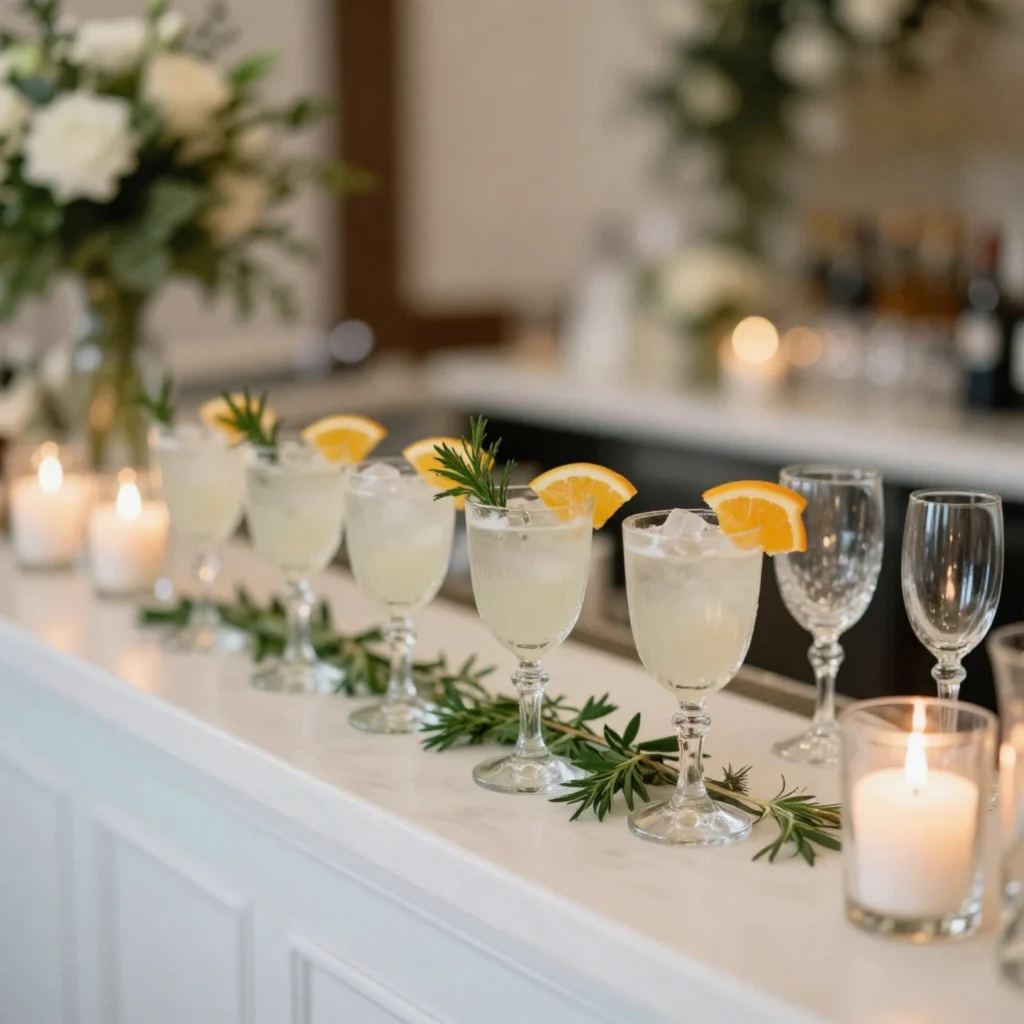
Professional bar services vary, which is why couples should compare scope, not just price. One quote may only include bartenders. Another may cover a much fuller wedding package.
Common inclusions may be:
- Wedding bartenders
- bar setup and teardown
- full service bar equipment
- mixers and garnishes
- ice storage guidance
- water dispensers
- cups or glassware rentals
- setup and cleanup
- trash removal
- bar signs or Event Signage
- support with the beverage menu
- travel fee details
- coordination with a wedding planner, event manager, or catering team
Some providers also help with:
- alcohol quantity guidance
- cost per person estimates
- cocktail creations
- signature wedding cocktails
- custom drink menu development
- staffing recommendations based on guest count
This is one reason experienced bartending teams are so valuable. They do not just show up and pour. They help the event run more smoothly.
What Affects Wedding Bar Costs
Wedding bar pricing is rarely one-size-fits-all. The final number usually depends on several practical factors.
The main cost drivers are:
- guest count
- event duration
- bar type: open bar, Limited Bar, Cash Bar, or dry bar
- full bar versus beer and wine
- number of bartenders needed
- whether mobile bars are required
- travel fees
- glassware rentals
- specialty cocktails and garnishes
- peak wedding season demand
- venue restrictions and license fees
For example, a four-hour hosted beer and wine bar for 75 guests will usually cost much less than a full-service bar for 200 guests with signature drinks, champagne toasts, and multiple service stations.
That is why the cheapest quote is not always the best value. A lower price may exclude labor, supplies, insurance, or cleanup. A more complete quote may actually save time, reduce mistakes, and protect the guest experience.
Smart Planning Tips for a Smoother Guest Experience
The best bar service decisions are the ones guests barely notice because everything feels easy. Service is fast. The menu makes sense. Nothing feels chaotic.
Here are a few practical ways to get there:
Keep the menu focused
A curated cocktail menu is usually better than an oversized one. Two signature drinks, a few wine options, and a couple of beers often cover most preferences without slowing the line.
Staff for peak moments
The busiest times are usually:
- Cocktail Hour
- right after the ceremony
- immediately after dinner begins wrapping up
Plan staffing around those rushes, not just the total length of the event.
Think beyond alcohol
Water, ice, and non-alcoholic drinks matter too. Couples often underestimate how much guests appreciate easy access to water dispensers and well-planned non-alcoholic options.
Coordinate with other vendors
The bar should work with the timeline, not against it. Good communication between the bartending team, caterer, wedding planner, and day-of coordinator helps avoid delays and awkward transitions.
Questions to Ask Before Booking Bar Providers
Before signing a contract, ask these questions:
- What exactly is included in your bar services?
- Do you provide licensed and insured bartenders?
- How many bartenders do you recommend for my guest list?
- Do you offer mobile bars if my venue has no built-in bar?
- Can you help build a drink menu with Signature Cocktails?
- Are setup, cleanup, and trash removal included?
- Are there travel fees or travel fees for my venue?
- Do you handle glassware rentals or only disposable service items?
- Have you worked with my venue or similar wedding event settings before?
- What is your approach to guest flow during busy service periods?
These questions help you compare professionalism, not just pricing.
Final Thoughts
The best bar service for wedding planning is the one that supports your guests, fits your budget, and works smoothly with your venue and event timeline. Drinks are only one part of it. Staffing, layout, menu design, and service quality all shape the overall experience.
For couples comparing options, professional bartending support is often less about luxury and more about peace of mind. If you are planning your wedding now, it helps to choose a service that understands setup, flow, hospitality, and what guests actually need once the celebration begins.
FAQ
For many couples, a hosted beer and wine bar with one or two signature drinks offers the best balance of cost, speed, and guest satisfaction.
No. An open bar is popular, but it is not required. A Limited Bar can still feel generous and well-planned if the menu is thoughtful.
That depends on guest count, reception style, and drink complexity. Larger weddings or full bar service usually need more staff to keep lines short.
It can be, but it depends on your guests and the event style. Many couples prefer some level of hosted bar service to keep the experience warm and welcoming.
A balanced menu often includes beer, wine, a couple of signature drinks, water, and non-alcoholic options. That usually covers most guest preferences without becoming too complicated.
Many do. Professional teams often assist with setup and teardown, ice planning, restocking, and cleanup, which makes the day easier on the couple and planner.