
Planning a wedding is exciting but budgeting for food and drinks can quickly become overwhelming. One of the biggest questions couples ask is how much alcohol catering for wedding celebrations actually costs.
Whether you’re planning an elegant open bar or a budget-friendly limited bar, understanding pricing models and service styles can help you avoid surprises and keep your catering budget under control.
This guide breaks down wedding catering cost factors, bar service options, hidden fees, and cost-saving tips so engaged couples can confidently plan their beverage service.
The Importance of a Focused Alcohol Budget for Your Wedding
Alcohol can represent 15–30% of the total wedding catering costs depending on guest count and service style.
Without a clear plan, expenses like:
- bar service fees
- bartender staffing
- rental equipment
- mixers and garnishes
- liability insurance
can quickly increase your per-person cost.
Setting a dedicated alcohol budget ensures your guest experience remains memorable without overspending.
What This Guide Will Cover: Demystifying Alcohol Catering Costs
In this guide you will learn:
- Typical price per person for wedding alcohol catering
- Differences between open bar, cash bar, and limited bar
- Hidden catering service fees
- Smart strategies to lower your Wedding Catering Cost
- How to select the right wedding caterer or beverage service
The Cost of Beverages: What You’re Pouring
The biggest factor in catering costs is the alcohol itself.
Typical drink options include:
| Beverage Type | Average Cost |
| Beer & Wine Only | $15–$25 per person |
| Standard Open Bar | $25–$45 per person |
| Premium Open Bar | $45–$75 per person |
| Signature Cocktails | $5–$12 per drink |
Couples often include:
- signature cocktails
- craft beer selections
- locally sourced wines
- champagne toast
Many wedding caterers also offer bar packages to simplify pricing.
Staffing Requirements: The People Behind the Bar
Professional service staff ensures smooth drink service.
Typical staffing ratios:
| Guests | Bartenders Needed |
| 50 guests | 1 bartender |
| 100 guests | 2 bartenders |
| 150+ guests | 3 bartenders |
Staffing costs usually range from:
$40–$80 per hour per bartender
Additional personnel may include:
- on-site coordinators
- bar backs
- Premier Staff for high-end hospitality
Overtime fees may apply for late-night receptions.
Bar Setup and Rental Equipment: Beyond the Bottle
A professional catering service often includes equipment such as:
- portable bars
- glassware
- ice bins
- beverage dispensers
- garnish trays
Common rental costs:
| Item | Average Cost |
| Portable bar | $100–$400 |
| Glassware | $1–$3 per guest |
| Full ice service | $100–$300 |
| Mobile kitchen setup | $500+ |
Rental companies often provide tableware costs, catering rentals, and service equipment in packages.
Venue and Caterer-Specific Alcohol Fees
Many reception venues charge additional fees:
- corkage fees ($10–$25 per bottle)
- cake cutting fee
- kitchen usage fees
- liquor licensing charges
For off-premise wedding catering, extra logistics and transport costs may apply.
The Open Bar: Unlimited Cheers
What is an open bar?
An open bar allows guests to order unlimited drinks throughout the reception.
Typical cost: $30–$75 per guest.
Pros
- best guest experience
- predictable pricing
- smooth service
Cons
- highest overall catering budget
- risk of alcohol waste
Many couples use an Open Bar Wedding Calculator to estimate consumption.
The Consumption Bar: Pay-As-You-Go
Also called a tab bar, the couple pays only for drinks consumed.
Best for:
- smaller weddings
- shorter events
- moderate drinkers
However, costs can fluctuate depending on guest behavior.
Limited Bar: Curated Choices
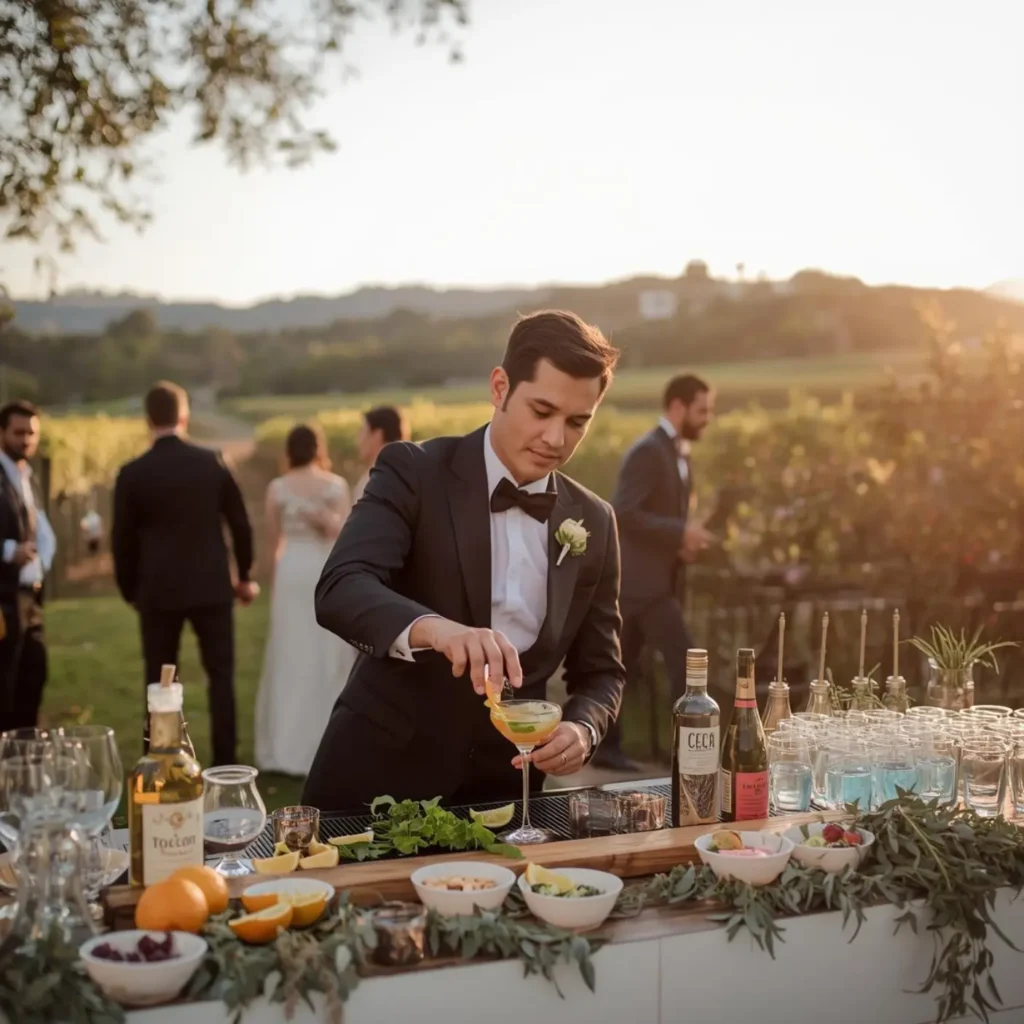
A limited bar restricts options to a few drinks such as:
- beer
- wine
- 1–2 signature cocktails
This option reduces food and beverage menu costs while maintaining a quality guest experience.
Cash Bar: Guests Pay for Their Drinks
With a cash bar:
Guests purchase their own drinks.
While this significantly lowers the couple’s catering service costs, some guests view it as less traditional.
BYOB (Bring Your Own Beverage) with Corkage Fees
Some venues allow couples to supply their own alcohol.
This is common in off-premise wedding catering situations.
Savings can be substantial but expect:
- corkage fees
- liability insurance requirements
- licensed bartender requirements
Hybrid Approaches: Combining Service Styles for Optimal Budget and Guest Experience
Many couples use hybrid strategies such as:
- open bar during cocktail hour
- limited bar during dinner
- cash bar late night
This balances guest experience with budget control.
Guest Count and Guest Profile: Tailoring to Your Audience
Guest demographics affect drink consumption.
For example:
- younger crowds often drink more cocktails
- family weddings may prefer wine and champagne
Caterers often estimate 1–2 drinks per guest per hour.
Event Duration: Longer Parties, Higher Costs
A 6-hour reception will naturally cost more than a 3-hour celebration.
Each additional hour may increase:
- alcohol costs
- staffing fees
- ice and mixer supplies
Time of Year and Venue Location: Seasonal and Regional Variations
Prices vary by region.
Popular wedding markets such as:
- Greater Orlando
- Brevard County
- Indian River County
often see higher demand for premium catering services.
Overall Wedding Vibe and Guest Experience Goals
Luxury weddings may include:
- craft cocktail bars
- interactive food experiences
- mixologists
- show cooking stations
These enhance the culinary experience but raise costs.
Underestimation of Consumption: The Most Common Pitfall
One of the biggest budgeting mistakes is underestimating drink consumption.
Quick estimate formula:
Guests × Hours × 1.5 drinks.
Always plan for 10–15% extra inventory.
Delivery and Setup Fees for Beverages and Bar Equipment
Transporting beverages, ice, and glassware may add:
$100–$500 in event logistics costs.
Local Event Permits and Licensing for Alcohol Service
Some locations require:
- local event permits
- liquor licenses
- liability insurance
These are often mandatory for professional catering services.
Specialty Mixers, Unique Garnishes, and Thematic Décor for Bars
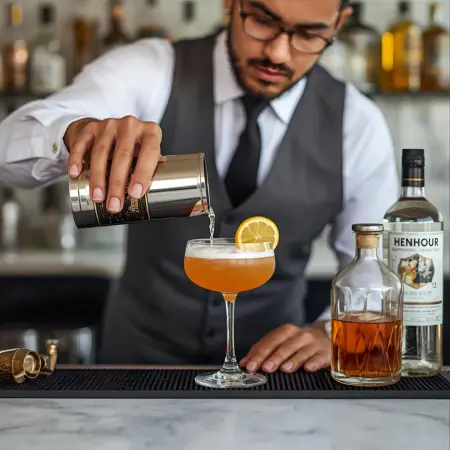
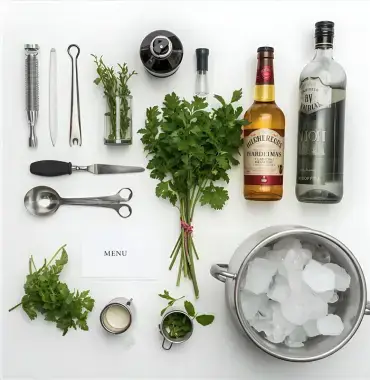
Custom cocktail bars often include:
- fresh herbs
- premium syrups
- decorative glassware
These enhance guest experience but increase the per-person cost.
Breakage Fees for Glassware and Bar Equipment
Rental companies often charge replacement fees for broken glassware.
Budget 5–10% contingency for equipment damage.
Rush Fees for Last-Minute Changes or Additions
Late additions like extra bartenders or additional alcohol inventory may trigger rush service fees.
Post-Event Clean-Up Specific to Bar Areas
Professional full-service catering may include cleanup costs.
These fees usually range between $100–$300.
Smart Alcohol Menu Selection: Quality Without Breaking the Bank
Choose drinks that balance cost and popularity:
- house wine
- domestic beer
- one signature cocktail
Avoid stocking a full premium liquor list.
Negotiating with Your Wedding Caterer and Vendors
Many caterers offer bundled catering packages including:
- bar service
- staffing
- rentals
- mixers
Bundling services often lowers the overall catering budget.
Optimizing Service Styles for Your Budget
Cost-effective options include:
- limited bar
- beer & wine service
- hybrid bar packages
These maintain quality while reducing costs.
DIY Elements vs. Professional Service: What You Can (and Can’t) Self-Manage
DIY alcohol can save money but professionals handle:
- licensing
- liability insurance
- safe alcohol service
For larger weddings, professional staffed service is highly recommended.
Ensuring Accurate Headcount: Don’t Pay for Guests Who Aren’t There
Confirm RSVPs early.
Even a 10 guest difference can impact your price per person significantly.
Early Research and Vendor Selection
Start researching vendors such as:
- Catering Solutions
- Royal Flamingo Catering
- Paramount Events
- Elevate Your Events
Platforms like The Knot Vendor Marketplace help compare vendors and pricing.
Detailed Contract Review: What to Look For
Before signing a catering contract, confirm:
- bar service fees
- staffing ratios
- rental costs
- overtime fees
- insurance requirements
Communication is Key: Working with Your On-Site Coordinator and Bartenders
Your on-site coordinators ensure seamless event execution.
They coordinate:
- bar setup
- alcohol delivery
- bartender schedules
Finalizing Logistics: Delivery, Setup, and Removal
A week before the wedding, finalize:
- alcohol quantities
- staffing schedule
- delivery times
- rental equipment
This prevents last-minute surprises.
Conclusion:
Planning alcohol catering for wedding celebrations doesn’t have to be complicated.
By understanding service styles, pricing models, and hidden costs, couples can create a bar experience that fits both their vision and budget.
Recapping Key Strategies for Managing Wedding Alcohol Costs
- choose the right bar service style
- monitor guest count carefully
- bundle catering packages
- avoid unnecessary premium alcohol options
The Balance Between Budget Control and an Exceptional Guest Experience
Your wedding bar should reflect your celebration style while staying within your catering budget.
Smart planning ensures guests enjoy great drinks without financial stress.
Your Next Steps: Requesting Customized Quotes and Planning with Confidence
Contact a wedding caterer or bar service provider early to request:
- personalized pricing
- alcohol quantity estimates
- staffing recommendations
This will help you plan a seamless and memorable wedding reception.
FAQ
The average price per person for alcohol catering ranges from $20 to $75, depending on service style, drink selection, and guest count. Beer and wine packages are the most affordable, while premium open bars with cocktails and top-shelf liquor cost significantly more.
An open bar improves the guest experience and simplifies budgeting since costs are fixed. However, couples with limited budgets often choose limited bar packages or hybrid service styles to reduce expenses while still offering quality drinks.
A common guideline is 1–2 drinks per guest per hour. For a 5-hour wedding with 100 guests, plan for approximately 500–600 drinks including beer, wine, and cocktails.
Yes, some venues allow BYOB with corkage fees. Couples can purchase alcohol wholesale, but they usually must hire licensed bartenders and provide liability insurance.
The most affordable options include:
beer and wine only bar
limited cocktail menu
BYOB with corkage fees
These options significantly reduce wedding catering costs.