
A wedding bar is more than just drinks; it’s part of the guest experience. A skilled bartender keeps service smooth, guests happy, and the celebration running without interruptions. For wedding planners, knowing how to hire a bartender for wedding events is essential. The right professional helps manage alcohol responsibly, maintain service flow, and create memorable moments with signature cocktails.
This guide walks you through the entire process from defining your bar needs to interviewing bartenders and finalizing contracts.
The Indispensable Role of a Professional Wedding Bartender
A professional wedding bartender does much more than pour drinks.
They handle:
- drink preparation
- alcohol service compliance
- guest interaction
- bar inventory management
- cleanup and glassware handling
Experienced bartenders also ensure responsible alcohol service, preventing over-consumption while keeping the atmosphere fun.
Why a DIY Bar Might Not Be the Best Solution

Some couples consider a DIY bar to reduce costs. However, this often leads to problems such as:
- slow drink service
- alcohol mismanagement
- liability risks
- messy bar areas
A professional bartender ensures the bar runs efficiently and complies with venue and legal requirements.
How This Guide Will Help You
By the end of this guide, you’ll know:
- how to find professional bartenders
- what certifications and insurance to require
- how much bartending services cost
- how to avoid hiring mistakes
Step 1: Defining Your Wedding Bar Needs
Before hiring anyone, planners must understand the bar requirements.
Guest Count and Bar Service Style
Guest count determines how many bartenders are required.
Recommended bartender ratios:
| Guests | Bartenders Needed |
| 50 | 1 |
| 100 | 2 |
| 150+ | 3 |
Common wedding bar styles include:
- Open bar
- Limited bar
- Signature cocktail bar
- Cash bar
A large open bar requires more staff and preparation.
Drink Menu Preferences and Alcohol Sourcing
Next, determine the drink menu.
Typical wedding bar menus include:
- beer and wine
- classic cocktails
- signature cocktails
- champagne toast
Some bartenders also help plan drink menus and ingredient quantities.
Understanding Venue Restrictions and Requirements
Many venues require:
- licensed bartenders
- alcohol service permits
- liability insurance
Always confirm venue rules before hiring bar staff.
Some venues even provide preferred bartender vendor lists.
Budgeting for Your Wedding Bar
Bartending costs vary based on experience and event size.
Typical pricing:
| Service | Average Cost |
| Bartender hourly rate | $40–$100 |
| Flat event rate | $200–$500 |
| Full bar service package | $800–$2500 |
For planners managing large weddings, bartending costs often represent 5–10% of the catering budget.
Step 2: Where to Find Potential Bartenders and Services

Finding reliable bartenders requires sourcing from trusted places.
Leveraging Personal Networks and Referrals
The most reliable vendors often come from:
- wedding planners
- catering companies
- event coordinators
- venue managers
Referrals usually lead to experienced bartenders with proven reliability.
Exploring Online Wedding Marketplaces and Agency Websites
Popular platforms include:
- The Knot
- WeddingWire
- Thumbtack
- Bark
These sites allow planners to compare:
- reviews
- pricing
- experience levels
Venue Recommendations and Preferred Vendor Lists
Many venues maintain lists of approved bartenders and bar service companies.
These vendors already understand:
- venue layout
- alcohol rules
- event logistics
This often reduces planning stress.
Social Media and Online Reviews
Instagram and Facebook are surprisingly effective tools for finding bartenders.
Look for:
- cocktail presentation photos
- real event footage
- customer testimonials
Strong online presence often indicates professional reputation.
Step 3: What to Look For in a Professional Wedding Bartender
Not all bartenders are the same. Wedding events require specific skills.
Essential Experience and Proven Track Record
Always look for bartenders with event experience.
Restaurant bartenders may struggle with high-volume wedding service.
Ask questions such as:
- How many weddings have you worked?
- What was the largest event you handled?
Certifications for Responsible Alcohol Service
Professional bartenders should hold certifications such as:
- TIPS certification
- ServSafe Alcohol
These programs train bartenders in responsible alcohol service.
Adequate Insurance and Licensing
Insurance protects both the couple and the planner.
Essential coverage includes:
- liquor liability insurance
- general liability insurance
Without this coverage, the event host could face legal risks.
Professionalism, Personality, and Presentation
Bartenders interact with guests all night.
Look for professionals who are:
- friendly
- organized
- professional in appearance
Personality matters as much as skill.
Equipment and Setup Knowledge
Some bartenders provide full bar setups including:
- portable bars
- cocktail shakers
- garnish trays
- bar mats
Others require the planner to supply equipment.
Clarify this early.
Step 4: The Vetting and Interview Process
Hiring the right bartender requires proper vetting.
Initial Outreach and Gathering Basic Information
Start with a quick inquiry asking:
- availability
- pricing
- experience
- service packages
This helps eliminate unqualified vendors quickly.
Conducting Effective Interviews
During interviews ask:
- What is your wedding experience?
- Do you provide bar tools and supplies?
- How do you handle intoxicated guests?
These questions reveal professionalism.
Requesting and Checking References
Always request at least two event references.
Ask previous clients about:
- service quality
- punctuality
- guest experience
Reviewing Their Portfolio and Online Presence
Check:
- Instagram posts
- Google reviews
- wedding blogs
Consistent positive feedback is a strong signal of reliability.
Step 5: Understanding Quotes, Contracts, and Payment
Decoding Bartending Service Quotes
Bartending quotes may include:
- hourly rates
- flat event packages
- travel fees
- bar setup costs
Always confirm whether gratuity is included.
Key Elements of a Comprehensive Contract
A proper contract should include:
- event date and time
- bartender responsibilities
- alcohol service limits
- cancellation policy
- insurance proof
Clear contracts prevent misunderstandings.
Payment Schedules and Gratuity
Typical payment structure:
- 30–50% deposit
- remaining balance before event
Gratuity usually ranges from 10–20% of service cost.
Step 6: Pre-Wedding Planning and Coordination with Your Bartender
Finalizing Your Drink Menu and Specialty Cocktails
Work with the bartender to design a drink menu.
Popular options include:
- signature cocktails named after the couple
- seasonal drinks
- mocktails for non-drinkers
Inventory Planning and Ordering Recommendations
Experienced bartenders help estimate alcohol quantities.
Typical formula:
Guests × hours × 1.5 drinks
This helps avoid running out of drinks.
Discussing Bar Setup and Flow on the Wedding Day
Good bar placement prevents long lines.
Best locations include:
- near dance floor
- close to dining area
- separate cocktail hour bar
Proactive Communication to Unblock Potential Issues
Confirm all logistics a week before the event.
Checklist:
- drink menu
- alcohol delivery
- glassware quantities
- bartender arrival time
Step 7: Day-Of Execution and Post-Event Wrap-Up
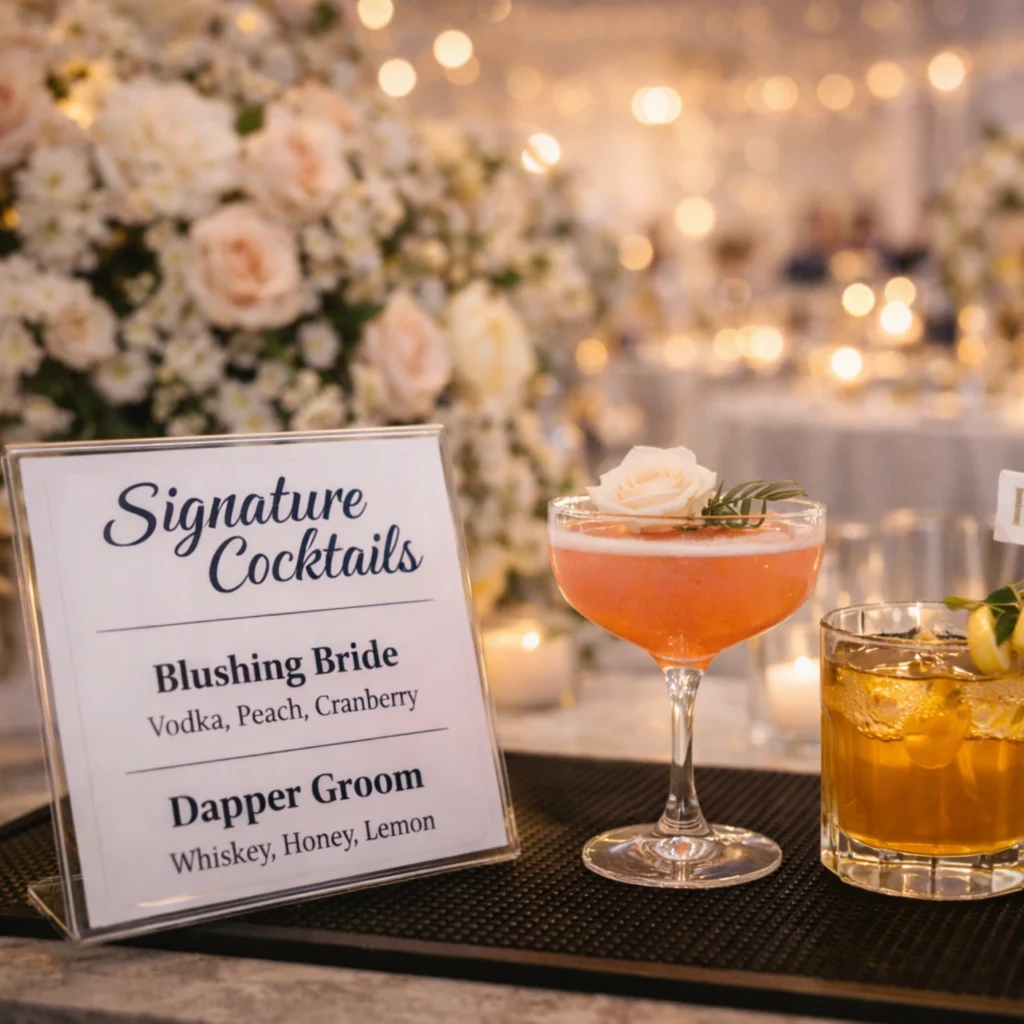
Ensuring Smooth Operation on Your Wedding Day
Professional bartenders handle:
- bar setup
- drink service
- guest interaction
- alcohol monitoring
This allows planners to focus on the event.
Post-Event Cleanup and Responsibilities
Some bartending services include:
- bar breakdown
- leftover alcohol packing
- glassware collection
Always confirm cleanup responsibilities beforehand.
Providing Feedback and Reviews
After the event, leave reviews on platforms such as:
- WeddingWire
- The Knot
This helps other planners find reliable vendors.
Common Pitfalls to Avoid When Hiring a Wedding Bartender
Overlooking Insurance and Certifications
Hiring uninsured bartenders exposes couples and planners to legal risks.
Always verify liability insurance documentation.
Not Having a Clear Contract
Without written agreements, misunderstandings about pricing and responsibilities can arise.
Always use detailed contracts.
Underestimating Drink Consumption
Running out of alcohol is one of the most common wedding bar problems.
Plan extra inventory.
Neglecting to Check References or Online Content
A bartender may appear professional online but lack event experience.
Always check references.
Last-Minute Hiring Stress
Hiring bartenders weeks before the wedding often results in higher costs or poor availability.
Book 2–4 months in advance whenever possible.
Conclusion:
A wedding bar plays a major role in guest enjoyment.
When planners hire bartenders for wedding events strategically, they ensure:
- efficient service
- legal alcohol compliance
- smooth event flow
Recap of Key Steps for a Successful Hire
- Define bar needs and guest count
- Research reliable bartenders
- Verify certifications and insurance
- Conduct interviews and check references
- Sign clear contracts
The Peace of Mind a Professional Provides
Experienced bartenders reduce stress and allow couples to enjoy their celebration.
Their expertise ensures guests receive great service from the first toast to the last dance.
Ready to Find Your Perfect Wedding Bartender?
Start researching trusted bartenders early and request quotes from multiple vendors.
A professional bartender can transform your wedding reception into a seamless and memorable celebration.
FAQ
Hiring a bartender for a wedding typically costs between $40 and $100 per hour, or $200–$500 per event. Full-service bar packages including staff, equipment, and drink setup can range from $800 to $2500, depending on guest count and service style.
A common rule is one bartender per 50–75 guests. Large weddings with 150 guests or more usually require three bartenders to prevent long lines and ensure efficient drink service.
Some bartenders offer full bar packages, while others only provide service. Couples or planners may need to purchase alcohol separately depending on the vendor.
Yes. Most couples tip 10–20% of the bartending service fee or allow guests to tip individually at the bar.
Many professional bartenders bring essential tools such as shakers, pour spouts, and garnish trays. Portable bars and glassware may cost extra.
Independent bartenders are usually cheaper. However, bar service companies provide complete packages including staff, equipment, and alcohol planning.