Hiring a professional bartender service for private party events transforms a standard gathering into an unforgettable experience. Whether you’re hosting an intimate backyard soirée or a grand milestone birthday, having expert mixologists ensures your guests are well-hydrated and you are stress-free.
When you hire a pro, you aren’t just paying for someone to pour wine. You are investing in peace of mind, safety, and a sophisticated atmosphere. In this guide, we will walk you through exactly how to find, vet, and book the perfect bartender for your specific needs in the US.
Quick Summary
Hiring a bartender service for a private party involves defining your vision, setting a budget, and vetting candidates for experience and insurance. Professionals handle setup, cleanup, and liquor liability, allowing you to enjoy your event. Always clarify who buys the alcohol (you or the service) and use a clear contract to avoid hidden fees.
Elevate Your Private Party with Professional Bar Service

Imagine hosting a party where you actually get to talk to your guests instead of being stuck behind a table mixing drinks all night. A professional bartender changes the dynamic of your event entirely. They bring the tools, the expertise, and the hospitality staffing needed to keep drink orders flowing smoothly.
Beyond just pouring beer and wine, skilled bartenders can craft a custom menu of signature cocktails that match your theme. They manage the bar area, monitor guest consumption (crucial for safety), and handle the messy cleanup. This level of service elevates a simple get-together into a polished private event.
Why Hire a Professional Bartender for Your Private Event?
- Guest Satisfaction: Professionals serve drinks quickly, reducing lines and keeping the energy high.
- Safety & Liability: They know how to spot intoxication and handle liquor liability issues responsibly.
- Efficiency: An experienced bartender maximizes alcohol usage, saving you money on wasted supplies.
- Cleanup: You won’t be left scrubbing sticky counters at 2 AM; they handle the bar setup and breakdown.
What This Guide Will Cover: Your Step-by-Step Hiring Blueprint
We will cover everything from determining your guest count and budget to understanding pricing models and tipping etiquette. You’ll learn how to distinguish a high-quality private bartender from an amateur and how to ensure your corporate gathering or wedding runs without a hitch.
Step 1: Defining Your Event’s Vision and Needs4
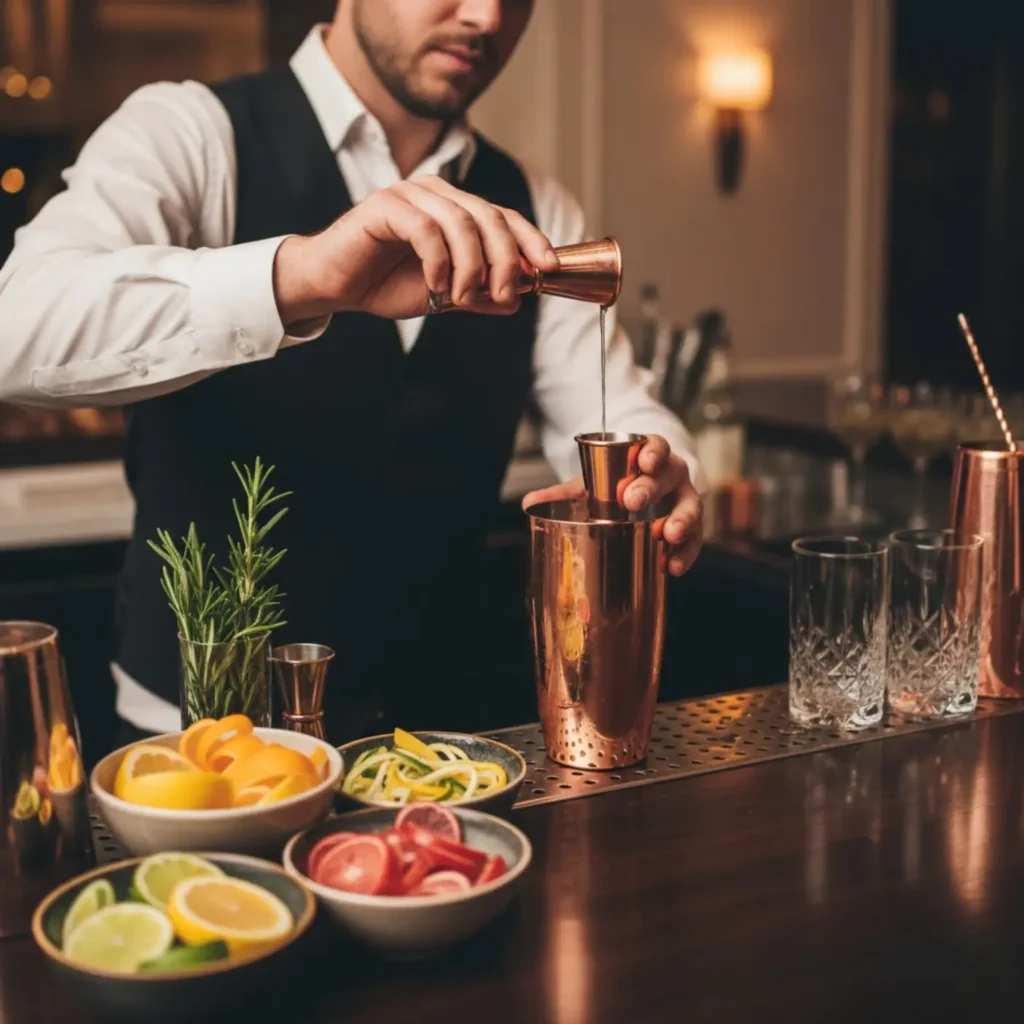
Before you start Googling “bartenders near me,” you need a clear picture of what your event looks like. A backyard BBQ requires a different skill set and setup than a black-tie corporate event.
Understanding Your Event Type & Scale
Is this a casual birthday bash or a formal wedding reception? The event type dictates the service style. For a small group of 20, one personable mixologist is great. For a 200-person gala, you’ll need a full team, perhaps including barbacks and waitstaff, to handle the volume of drink orders.
Setting Your Beverage Budget: A Foundational Step
Your budget influences whether you offer a full bar, a limited beer and wine selection, or just signature cocktails.
- Economy: Beer, wine, and one signature drink.
- Mid-Range: Basic spirits (vodka, gin, rum, whiskey) plus mixers.
- Premium: Top-shelf liquor, complex special cocktails, and table service.
Deciding on Your Desired Bar Service Style and Drink Menu
Do you want an open bar where guests order freely, or a cash bar (less common for private parties)? Maybe you want a “dry hire” where you buy the booze and they serve it. Deciding on a cocktail menu early helps the bartender estimate the supplies needed.
Estimating Guest Count for Staffing and Supplies
A general rule of thumb for event staffing is one bartender for every 50–75 guests for a full bar, or one for every 100 guests for beer and wine only. Be accurate with your headcount to avoid long lines or understaffing.
Step 2: Clarifying Bartender Responsibilities and Provisions
Communication is key when coordinating a bartending service for private party logistics. You need to know exactly where their job ends and yours begins.
Alcohol Provision: Who Buys What?
Most private bartenders operate as a “dry hire” service, meaning they provide the labor and tools, but you buy the alcohol. This is often cheaper because you avoid markup. However, some full-service mobile bars carry a liquor license and can sell/provide the alcohol directly.
Essential Bar Equipment & Supplies: What Your Bartender Should Bring
- Pro Tools: Shakers, jiggers, strainers, muddlers, and bottle openers.
- Setup Gear: Portable bar (if needed), bar mats, and ice scoops.
- Consumables (Optional): Some packages include ice, garnishes, napkins, straws, and plasticware.
Beyond Basic Bar Service: Additional Bartender Roles
- Glassware Management: Clearing empty glasses and washing them if you are using real glass.
- Cocktail Creation: Designing a custom menu specific to your event theme.
- Inventory Management: Alerting the host if specific liquors are running low during the party.
Defining Setup and Cleanup Expectations
Ensure the contract states when they arrive. Usually, 60–90 minutes prior to the start time is standard for bar setup. They should also stay after the “last call” to break down the bar, pack up leftover alcohol, and clean the immediate area.
Step 3: Finding Qualified Bartenders for Your Private Party
Finding the right talent is easier than ever, but you need to look in the right places to ensure reliability.
Where to Search: Platforms, Agencies, and Networks
- Staffing Agencies: Companies like Bythehourbartending offer vetted pros and handle the paperwork.
- Referrals: Ask friends who have hosted special events recently.
- Local Listings: Search for “mobile bartending” in your city (e.g., Dallas Fort-Worth or Long Island).
Initial Screening: Identifying Promising Candidates
Look for responsiveness. Do they reply to your inquiry quickly? Do they have a professional website or portfolio? A professional private bartender will ask questions about your bar setup and guest count immediately.
Leveraging Word-of-Mouth and Online Reviews
Check reviews on Google or specialized event platforms. Look for comments about punctuality, attitude, and drink quality. “Proof of happy customers” is your best indicator of future performance.
Step 4: Vetting & Interviewing Your Top Candidates
Once you have a shortlist, a quick phone call or Zoom interview is essential to gauge their personality and expertise.
Essential Interview Questions to Ask
- “Have you worked at a venue like ours before?”
- “Do you have a specific alcohol calculator you use to help us buy supplies?”
- “How do you handle guests who have had too much to drink?”
- “What do you wear for this type of event?”
Verifying Credentials, Certifications, and Experience
Ask for proof of certification. In the US, this might include TIPS certification or a state-specific license (like TABC in Texas). This proves they understand alcohol safety laws.
The Crucial Role of Insurance: Protecting Your Event
Never skip this step. Ensure the vendor carries General Liability Insurance and, ideally, Liquor Liability Insurance. This protects you if a guest damages property or gets into an accident after leaving your party.
Identifying Potential Red Flags During the Vetting Process
- Lack of Communication: Takes days to respond to simple emails.
- No Contract: Refuses to put agreements in writing.
- Unclear Pricing: Vague regarding hourly rates vs. flat fees.
- No Insurance: Cannot provide a Certificate of Insurance (COI).
Step 5: Understanding Pricing and Finalizing Your Booking
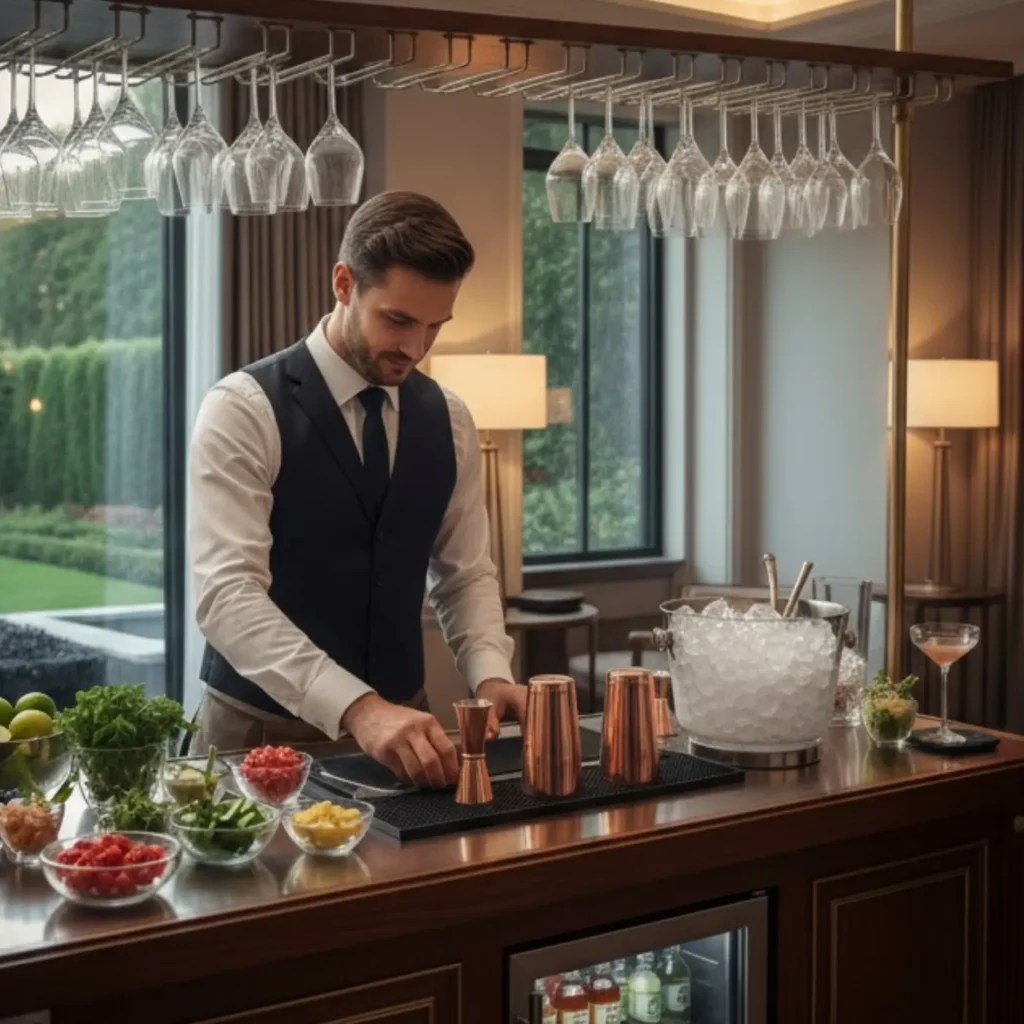
Cost is a major factor, but the cheapest option isn’t always the best. Understand what you are paying for to avoid hidden fees.
Deciphering Bartender Pricing Models: Hourly vs. Flat Rates
- Hourly Rate: You pay per hour per bartender (e.g., $40–$80/hour). Usually requires a minimum of 4–5 hours.
- Flat Rate: A total package price that includes labor, setup, and sometimes supplies like mixers and garnishes.
Understanding What’s Included (and Excluded) in Quotes
Does the quote cover travel time? Is the “bar setup” fee separate? Are mixers and ice included, or just the labor? Ask for an itemized invoice so you can compare apples to apples.
The Importance of a Clear Contract
Your contract should outline the date, time, location, number of staff, specific duties, uniform requirements, and cancellation policy. It protects both parties if plans change.
Securing the Booking: Deposits and Payment Schedules
Expect to pay a deposit (usually 50%) to lock in the date. The balance is typically due a week before the event or on the day of.
Step 6: Pre-Event Coordination for a Seamless Experience
The week before the event is crucial for finalizing details so the day runs smoothly.
Communicating Your Finalized Beverage Menu and Inventory Needs
Send the final drink menu to the bartender. If you are buying the alcohol, ask them to review your shopping list to ensure you haven’t forgotten critical items like tonic water or limes.
Planning the Bar Area Layout and Logistics
- Placement: Ensure the bar is in a high-traffic area but not blocking an exit.
- Access: The bartender needs easy access to ice storage and trash removal.
- Lighting: Make sure they can see what they are pouring!
Final Check-ins and Contingency Planning
Confirm the arrival time 24 hours prior. Discuss a “Plan B” for weather if the event is outdoors. Having a backup plan for ice running out is a party killer.
Discussing Venue Coordination and Specific Requirements
If you are at a rented venue, connect the bartender with the venue coordinator. The venue may have specific rules about load-in, load-out, and where trash must be disposed of.
Step 7: During and After the Event: Ensuring Success
On the big day, step back and let the professionals handle the service.
During the Event: Trusting Your Professional Bartender
Don’t micromanage. You hired them for their expertise. Let them manage the flow of service and interact with guests. Your job is to enjoy your own party!
Tipping Etiquette for Bartenders
If a gratuity isn’t included in the contract, it is standard to tip. You can allow them to put out a tip jar for guests, or you can pay a “buyout” gratuity (usually 20% of the total fee) so guests don’t have to tip.
Post-Event Wrap-up and Feedback
After the event, leave them a review! If they did a great job, a referral or a positive review on their Google profile is the best way to say thanks.
Pro Tips / Safety Advice
- Hydration Stations: Set up self-serve water dispensers away from the bar to reduce lines and keep guests hydrated.
- Liability: Always double-check local “dram shop laws” regarding host liability in your state.
- Mocktails: Always offer 1–2 non-alcoholic options that look just as festive as the real cocktails.
- Secure Alcohol: After the party, ensure leftover alcohol is locked away or monitored so minors cannot access it during cleanup.
Final Thoughts / Encouragement
Hiring a bartender service for private party events is the secret ingredient to a successful gathering. It allows you to be the host rather than the worker, ensures your guests are served safely, and adds a touch of class to any occasion.
Ready to elevate your next event with top-tier service? Whether you need a full mobile bar or a single mixologist, planning ahead ensures a flawless night. For professional staffing and expert coordination, consider checking out Bythehourbartending to view portfolio examples and book a consultation for your next celebration.
Frequently Asked Questions (FAQ)
The cost typically ranges from $40 to $80 per hour per bartender. Most services require a minimum of 4 or 5 hours. Total costs can vary based on location, experience, and whether they provide mixers and garnishes.
Most private bartenders are “dry hire” services, meaning they provide the labor and tools, but you supply the alcohol. However, some licensed catering companies or mobile bars can provide full packages that include the liquor.
For a standard beer and wine bar, one bartender is usually sufficient for 100 guests. If you are serving mixed drinks or cocktails, you should hire two bartenders to keep the lines moving quickly and ensure good customer service.
A professional bartender typically brings their own “kit,” which includes shakers, jiggers, strainers, bottle openers, and pouring spouts. If you don’t have a physical bar, many can rent a portable mobile bar for an additional fee.
This is up to you. If you want a classy, cashless experience for guests, you should pay the bartender a gratuity (20% of the fee) upfront and ask them not to display a jar. If you are on a budget, allowing a tip jar can help lower the hourly rate.